Slovakia and Montenegro Join ELI as Observers, Expanding European Research Collaboration
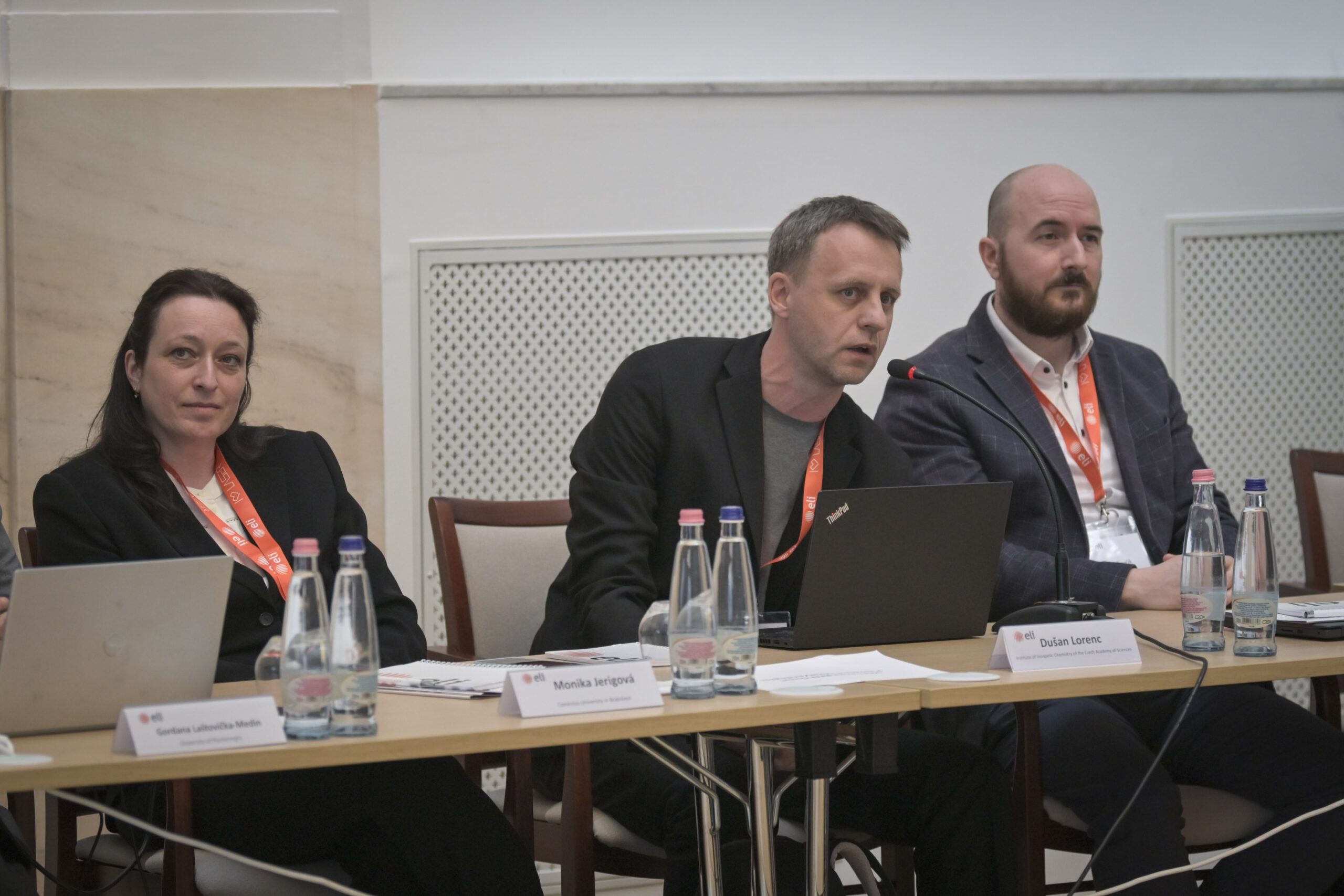
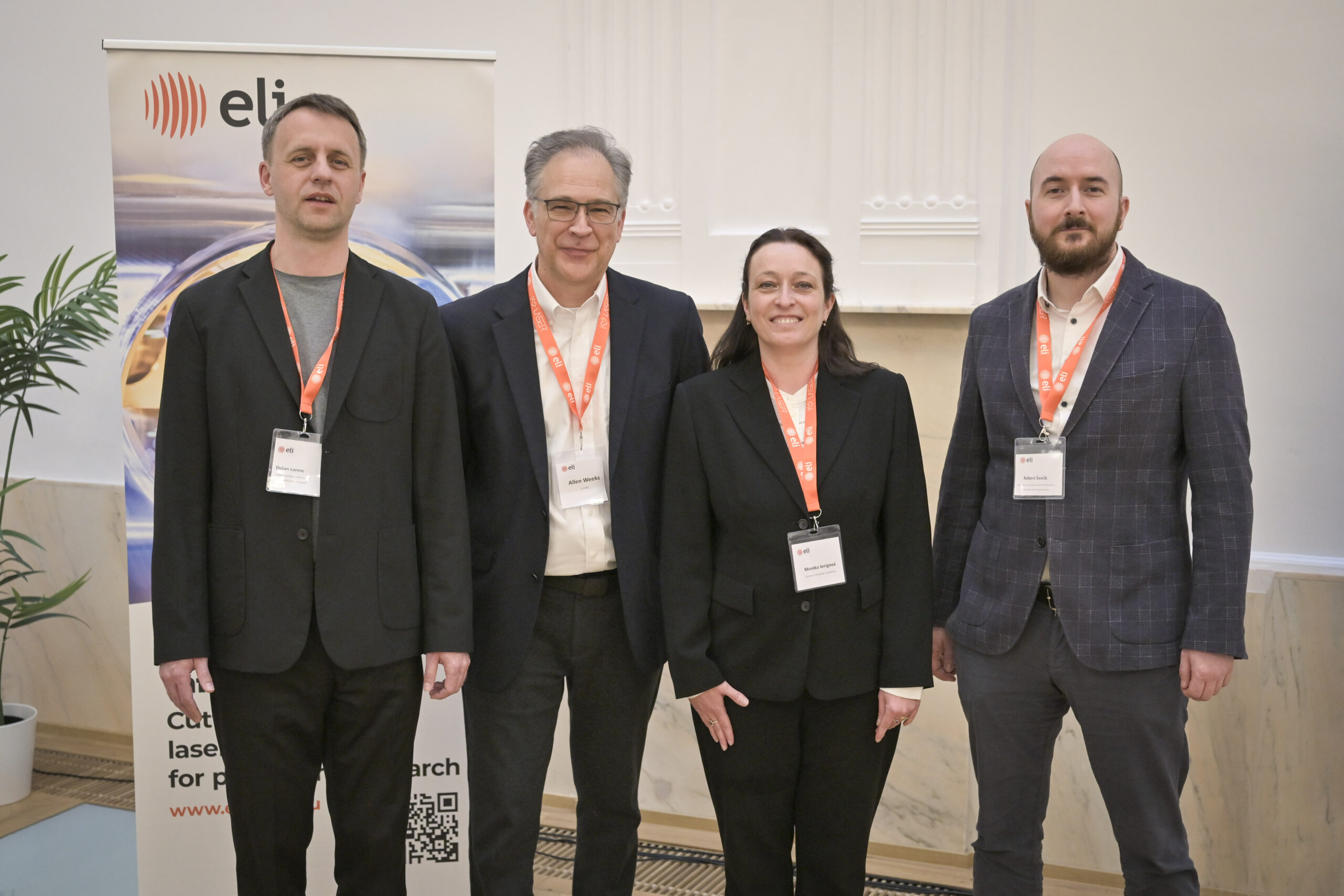
Slovakia and Montenegro have joined the Extreme Light Infrastructure ERIC (ELI) as Observers, strengthening their participation in European research infrastructures. Their accession broadens ELI’s Member and Observer base and reinforces its role as a platform linking national research communities with large-scale laser facilities across Europe.
Slovakia: Connecting national capabilities with large-scale infrastructure
Slovakia’s accession formalises a process that has developed since 2021, supported by coordinated efforts across Slovak research institutions and government. As an Observer, Slovak researchers have a structured pathway for participation in ELI’s scientific programmes and governance.
“The scope of ELI represents an ideal overlap and extension of Slovakia’s capabilities,” the Ministry of Education, Research, Development and Youth of the Slovak Republic said in a statement. “This connection will open new opportunities for our scientific community and train people for the future.”
Slovakia has also strengthened its national coordination, establishing a dedicated unit for research infrastructures within the ministry to support engagement with European initiatives.
The country’s participation will focus on integrating its technical expertise in optics, photonics and materials science with ELI’s experimental platforms. Slovak researchers are already active in ELI’s User Programme, with proposals submitted and initial experiments underway.
Planned investments will target complementary technologies, including sample preparation, surface analysis and advanced materials characterisation, positioning Slovak facilities as specialised contributors within the wider infrastructure.
Montenegro: Expanding collaboration and training opportunities
Montenegro enters ELI with an established research ecosystem and participation in European programmes, including Horizon Europe, positioning it to contribute across scientific research, training and technology development.
“By joining ELI, Montenegro gains an institutional framework for participation in the work of this infrastructure, access to experiments, training and international projects, as well as the possibility of inclusion in working and advisory bodies,” the Ministry of Education, Science and Innovation said in a statement.
The decision builds on existing collaboration between ELI and the University of Montenegro, which has included joint research, training programmes and experimental work at ELI’s facilities. That cooperation has developed into a sustained research pipeline, with multiple proposals accepted through ELI’s merit-based user access programme and resulting scientific publications. These activities have resulted in more than 36 weeks of experimental work at ELI’s facilities and 19 scientific publications.
Montenegrin students and early-career researchers have also participated in ELI training programmes and summer schools, contributing to experiments and publications while strengthening national expertise in high-energy physics and related disciplines.
Future cooperation will expand into strategic areas aligned with ELI’s scientific agenda, including laser- driven radiobiology, Flash-effect based radiotherapy, inertial confinement fusion and radiation-hard technologies for medical and space applications. Participation in European initiatives such as EU Cost action PROBONO and EU research project “EuPRAXIA” is expected to further support these efforts.
ELI: New observers bring complementary strengths
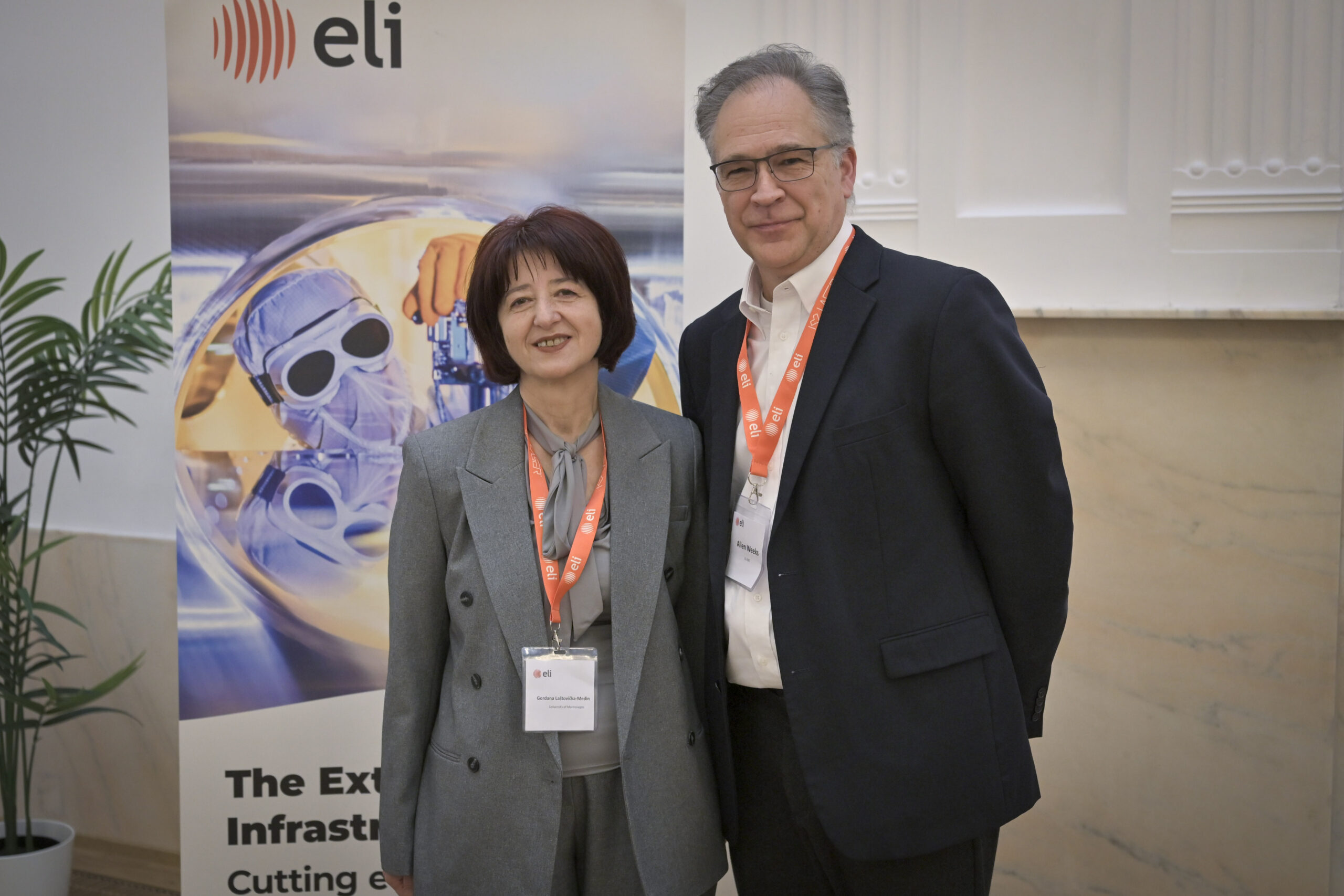
“Slovakia and Montenegro bring complementary strengths to ELI, from established technical capabilities to highly active research communities,” said Allen Weeks, ELI Director General. “Their participation strengthens the connection between national research systems and large-scale experimental infrastructure. Becoming an Observer in ELI provides a platform for research and training and a network that supports their work.”
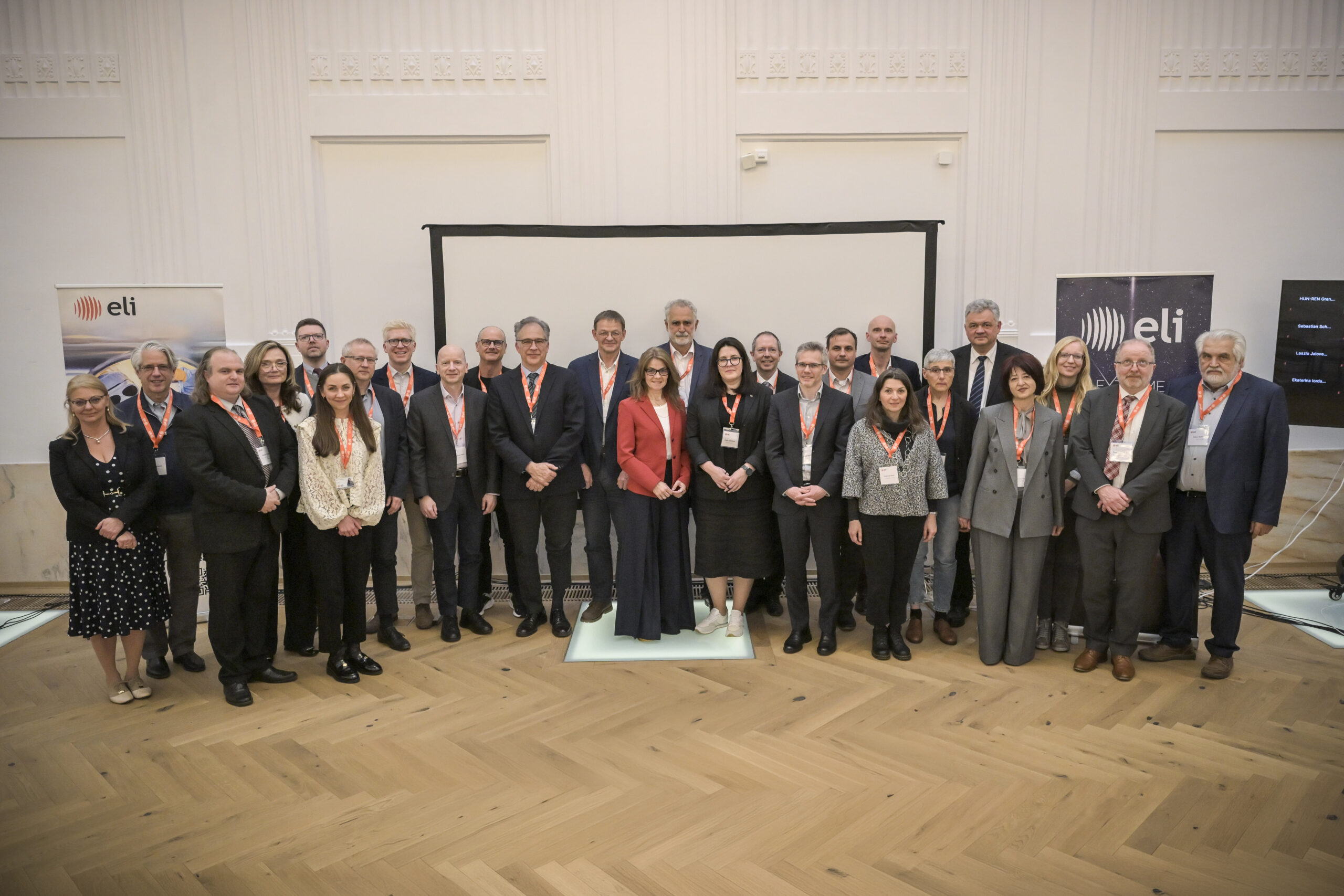
As Observers, both countries will participate in ELI’s governance and contribute to the development of its scientific and strategic direction.